A custom glass ornament often starts with something simple: a sketch, an illustration, a product photograph, or a brand concept. Turning that idea into a three-dimensional, hand-blown decoration requires decisions about shape, tooling, finish, and the details that matter most to your collection.
At DuoLeiMi, we manufacture custom-shaped glass ornaments for B2B buyers. Our established production sequence is clay model → steel mold → blown glass blank → silvering → hand painting. Below is how a buyer can prepare for each stage and keep a custom project on track.
1. Start with a clear design brief
Send your artwork or reference images and explain the intended ornament shape. Front, side, and back views are particularly useful for a complex design. If you only have one view, indicate which features should extend around the object and which may be simplified.
Include approximate height and width, your preferred colors, surface effects, hanging style, packaging expectations, and estimated order quantity. A reference photograph can communicate a direction, but it should not be treated as a final production specification.
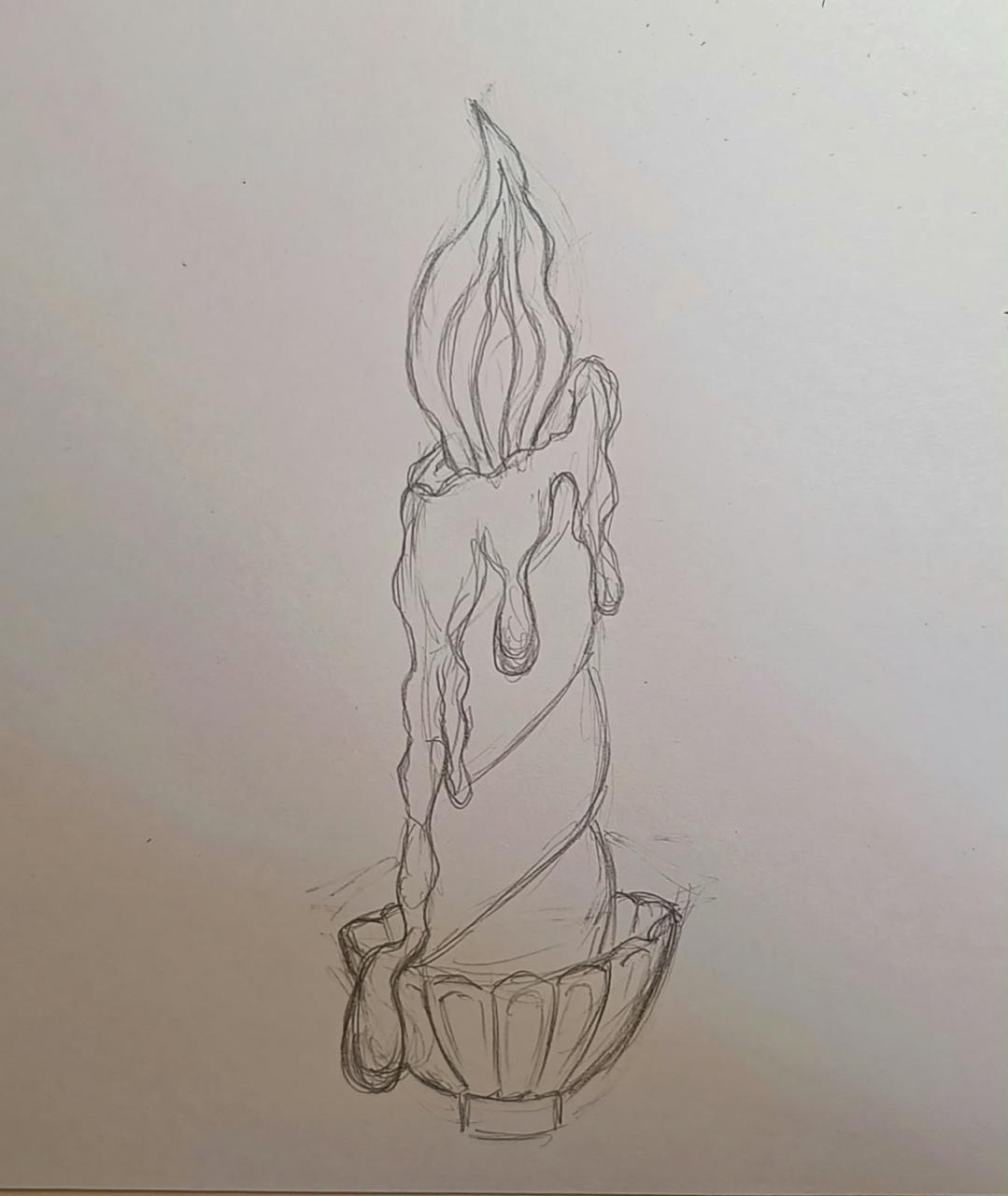
2. Translate the artwork into a clay model
For shaped ornaments, a clay model helps translate a two-dimensional concept into a physical form. This is the stage to consider the silhouette, proportions, facial features, raised details, and how the ornament will look when hanging.
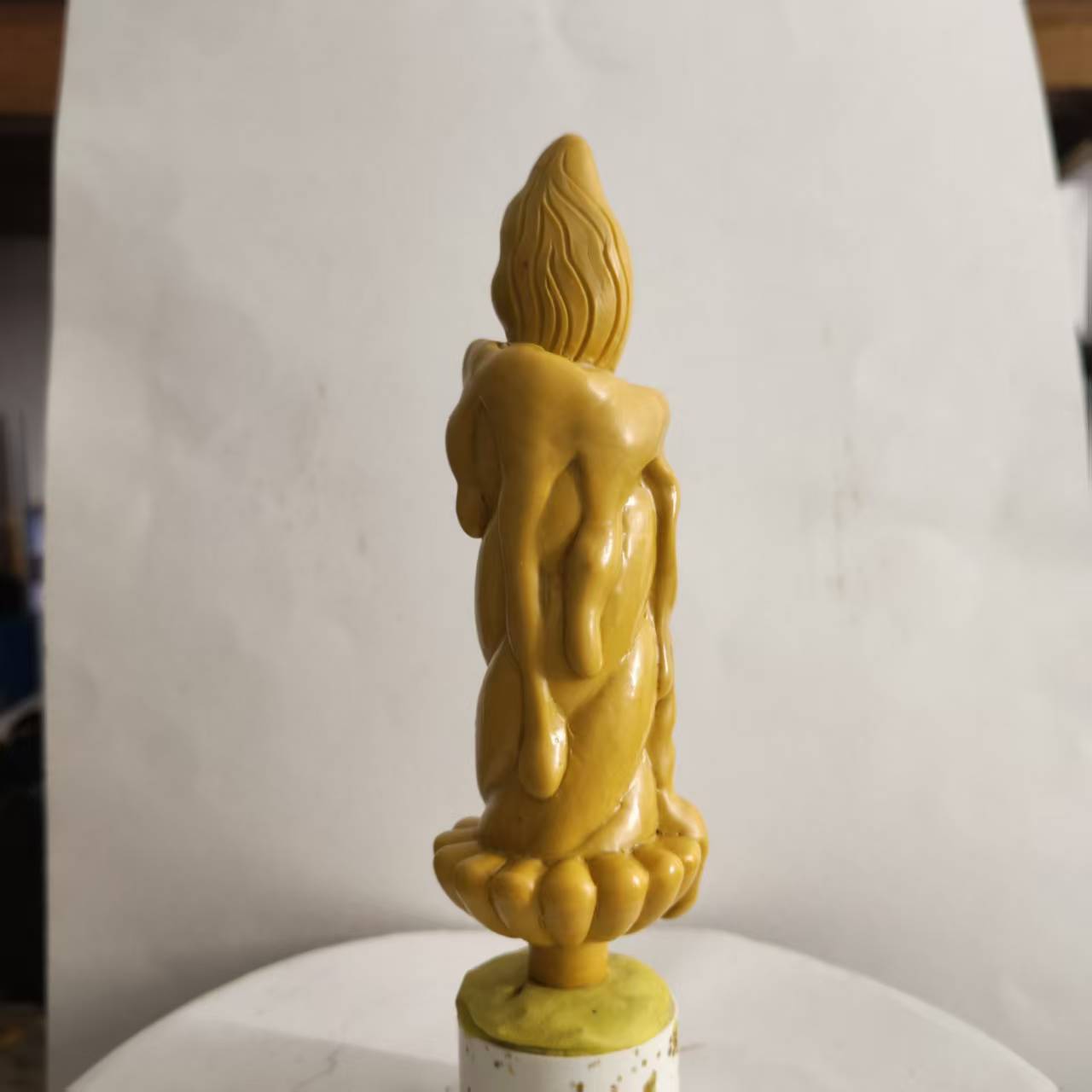
Not every fine line in an illustration can become a raised feature in glass. Some details are better represented through hand painting. Discuss these trade-offs early so that the finished ornament remains recognizable and practical to produce.
3. Develop the steel mold
Once the shape is agreed, the model guides steel mold development. The mold defines the main three-dimensional form of the glass ornament. New custom shapes may require dedicated tooling, so clarify any mold-related charges and approval requirements in the quotation.
Before approving tooling, review the key dimensions and the features that make your design distinctive. Shape changes after tooling may affect cost and timing.
4. Blow the glass blank
The glass-blowing stage forms a hollow glass blank using the prepared mold. This blank establishes the physical ornament shape before its reflective and decorative finishes are applied.
Because these products are handmade, discuss reasonable tolerances and the appearance standard expected for your collection. The aim is a consistent approved design while respecting the nature of hand production.
5. Apply silvering and hand painting
After the blank is formed, silvering creates the reflective foundation used for many traditional glass ornaments. Artisans then add color and decorative details through hand painting, following the approved design direction.
Metallic effects, glitter, fine outlines, and other decorative details should be specified with visual references wherever possible. Buyers should identify their most important color and detail requirements rather than relying only on general descriptions such as “bright red” or “luxury finish.”
6. Review the sample before bulk production
A physical sample lets you assess the actual shape, proportions, paintwork, finish, and overall presentation. Review it against the agreed artwork and written requirements. If adjustments are needed, record them clearly and confirm which version becomes the production reference.
Samples are available. Sample costs are quoted separately according to project requirements. Confirm the applicable sample schedule and any revisions with the manufacturer rather than assuming all custom designs require the same development time.
7. Confirm the bulk order and packaging
Once the sample is approved, confirm the final quantity, dimensions, color references, decorative finish, packing method, and delivery arrangements in writing. For fragile glass ornaments, packaging is part of the product specification—not an afterthought.
Ask how individual ornaments will be protected, whether a branded box or label is required, and how cartons should be prepared for transport. Lead times and minimum order quantities should be confirmed for the specific design and order.
Artwork-to-production checklist
- Design drawing or clear reference images, ideally from several angles
- Target dimensions and intended hanging orientation
- Required colors, metallic finishes, glitter, and painted details
- Estimated order quantity and target market
- Packaging, labeling, and branding requirements
- Sample approval contact and consolidated feedback
- Any must-keep design features or acceptable simplifications
Frequently asked questions
Can I customize a glass ornament using only a drawing?
Yes. A drawing or visual reference is a useful starting point. The manufacturer can review the concept and discuss what additional views, dimensions, or technical decisions are needed before development.
Can glass ornaments be made in unusual shapes?
Custom-shaped glass ornaments can include animals, vehicles, food, buildings, characters, and many other themes. Feasibility depends on the design's shape, scale, and decorative details, so each concept should be reviewed individually.
Are every shape and detail formed in the mold?
No. The mold creates the principal three-dimensional shape, while many smaller details can be represented through hand painting and surface decoration. The right balance depends on the design.
When should I approve colors and packaging?
Share preferences at the quotation stage, then confirm final colors, finishes, and packaging requirements before bulk production. Keep the approved sample and written specification as common references.
Bring Your Custom Ornament Idea to DuoLeiMi
We help B2B customers develop hand-blown and hand-painted glass ornaments from their own designs. Send us your drawing, target size, estimated quantity, and finish requirements so we can discuss the next steps for your project.